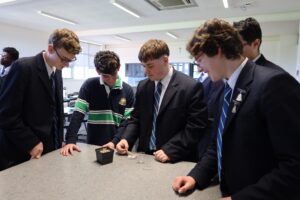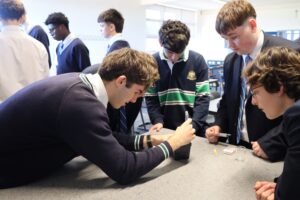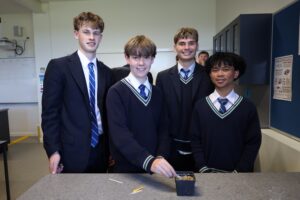
St Patrick’s College Year 11 Biology students are taking part in a globally recognised science initiative that is helping shape the future of space exploration.
The College was recently selected to join the NASA-supported Growing Beyond Earth program — an achievement made even more significant by the highly competitive application process and the limited number of schools accepted each year.
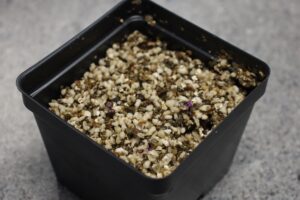
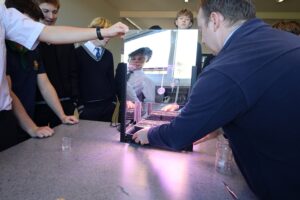
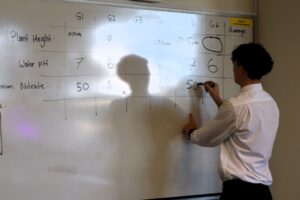
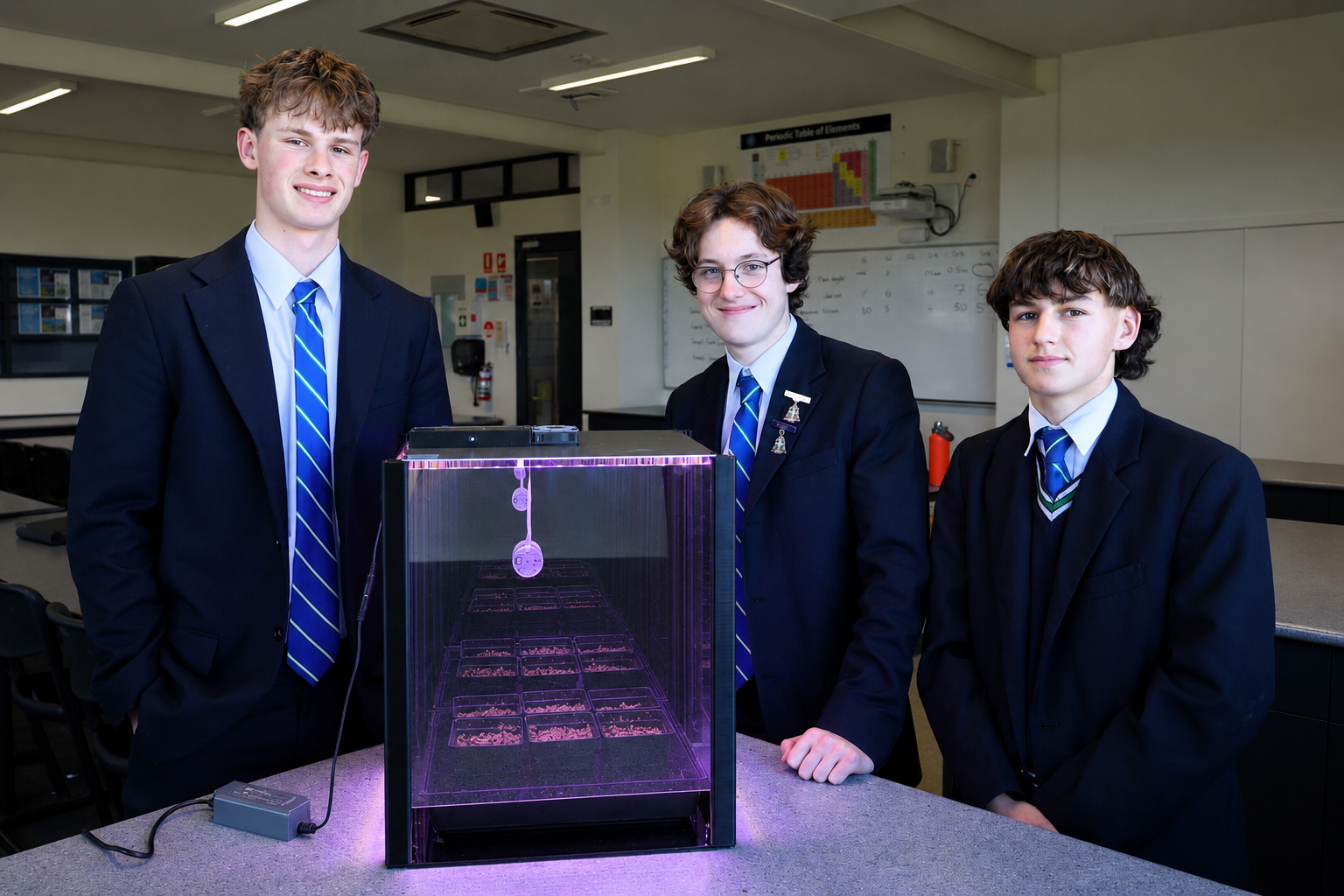
As part of the program, students are growing three pre-selected plant species under carefully controlled conditions designed to mimic the challenges astronauts face when producing food in space. Throughout the project, students will collect and submit weekly data that contributes to NASA’s ongoing research into sustainable food production for future space missions.
Globally, around 500 schools participate in the program, with St Patrick’s one of only a select number of Victorian and Tasmanian schools chosen for 2026.
Head of Science James Russell said the initiative gave students the chance to experience authentic scientific research while exploring the possibilities of future space travel.
“This is an incredible opportunity for our students to contribute to genuine scientific research connected to NASA,” Mr Russell said.
“The boys are developing valuable skills in scientific inquiry, data collection and critical thinking, while also gaining insight into the challenges of sustaining human life beyond Earth. It’s a wonderful example of learning that extends far beyond the classroom.”
Deputy Principal – Academic Culture Carol Roberts said the program reflected the College’s commitment to innovative and future-focused learning opportunities.
“We are proud to see our students involved in a program that connects classroom learning with real-world science,” Ms Roberts said.
“Programs such as Growing Beyond Earth provide students with the opportunity to apply the scientific skills they develop in class to authentic real-world challenges, while allowing them to see the impact of their learning in such an exciting and meaningful way.
“It is also a valuable opportunity for students to experience firsthand the important work scientists undertake in partnership with NASA and the role science plays in shaping the future of space exploration.”
Year 11 Biology student Charlie Geddes said the project had given students valuable insight into the world of space research and scientific experimentation.
“The most exciting part about this project is being able to work on something similar to what scientists and real astronauts do,” he said.
“Learning how plants could grow on Mars and experimenting with different plant types makes the project feel unique and futuristic.”
Charlie said the hands-on experience of building the growing structure, testing conditions and observing plant growth had provided students with a genuine understanding of what working in a space program could involve.
“Knowing that our ideas and results could contribute to future space exploration gives my fellow classmates and I an insight into where our studies could take us in the future,” he said.
“It feels really exciting and motivating because it makes the project feel meaningful and connected to real-world science.”