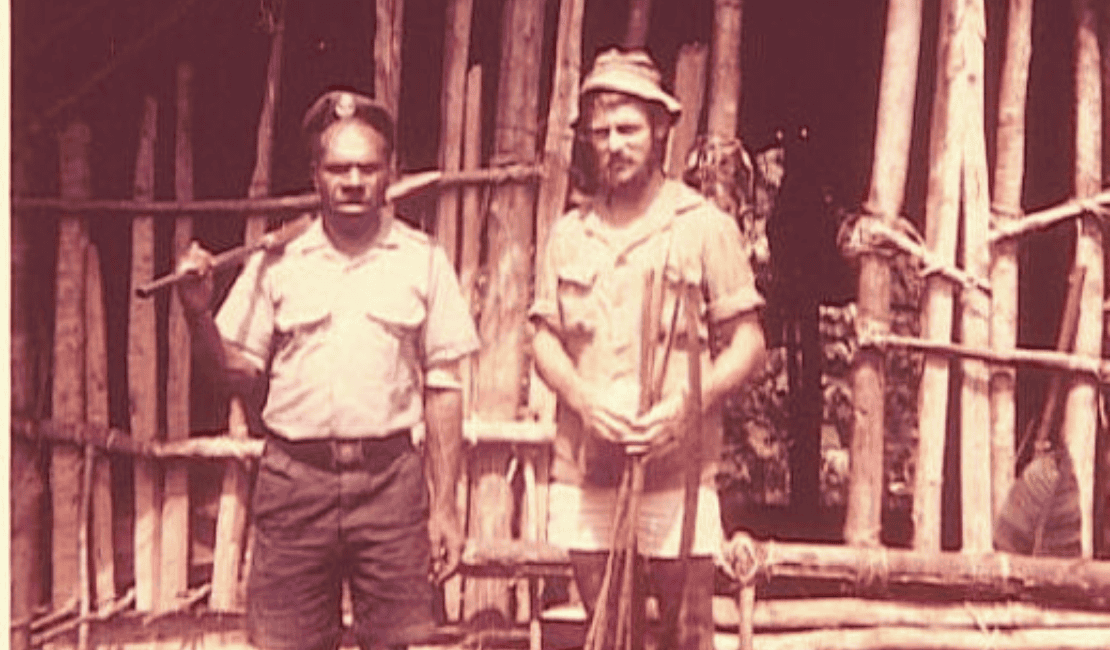
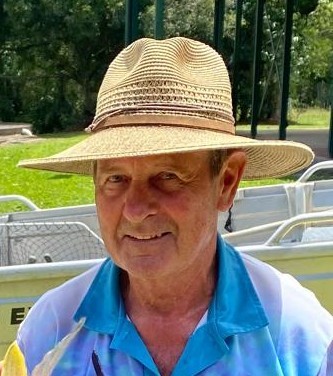
We recently reconnected with retired Old Collegian Bryan Walsh (SPC 1959-63, PY1964) who has been a pivotal part of the Northern Territory’s wildlife management leadership over the past few decades and is also the author of a number of publications on wide-ranging subjects from the breeding habits of the Peregrine Falcon to the best crocodile capturing techniques.
Where has life taken you since leaving SPC?
I graduated from SPC in 1963 and completed a Valuations degree at RMIT University in Melbourne.
I attended the Australian School of Pacific Administration (ASOPA) Sydney in 1971, where training was undertaken for Patrol Officers (Kiaps).
I then became a Patrol Officer of the Papua New Guinea Constabulary. As the officer-in-charge of the Komo Patrol Post in the Southern Highlands, I was responsible for maintaining law and order, council, roads, schools, bridges and health centres, along with building community engagement and agriculture, capacity building and carrying out extensive jungle patrols and settling disputes.
I later returned to Victoria and worked as a ranger in charge for the National Parks Service at Werribee Gorge.
I then shifted to Cobourg Sanctuary in 1977 (now named Gurig) in the NT as a fisheries and wildlife officer. Other postings in the NT included Alice Springs, Katherine, Nhulunbuy and Darwin, which involved wildlife management, enforcement research and feral animal control.
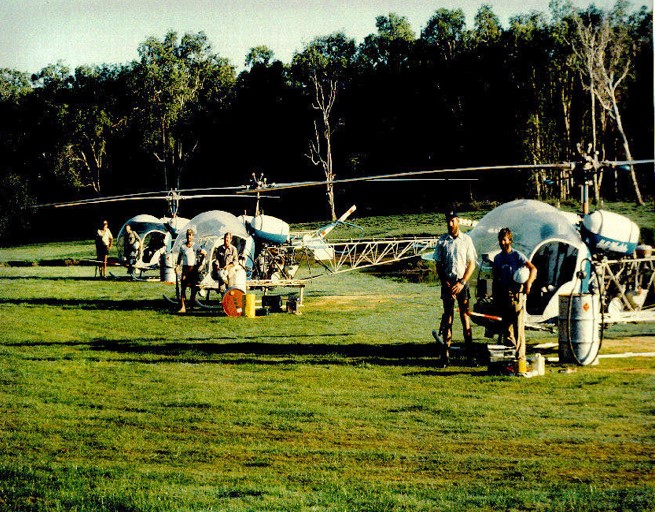
I was in charge of the Northern Territory Feral Animal Committee and managed their program and projects, involving integrated feral animal control exercises with landholders, state and federal agencies, pursue co-operative research gaps with universities and other agencies; and co-ordinate refinement of their aerial survey techniques.
It’s worth noting the Northern Territory of Australia has an area of 1.4 million square kilometres.
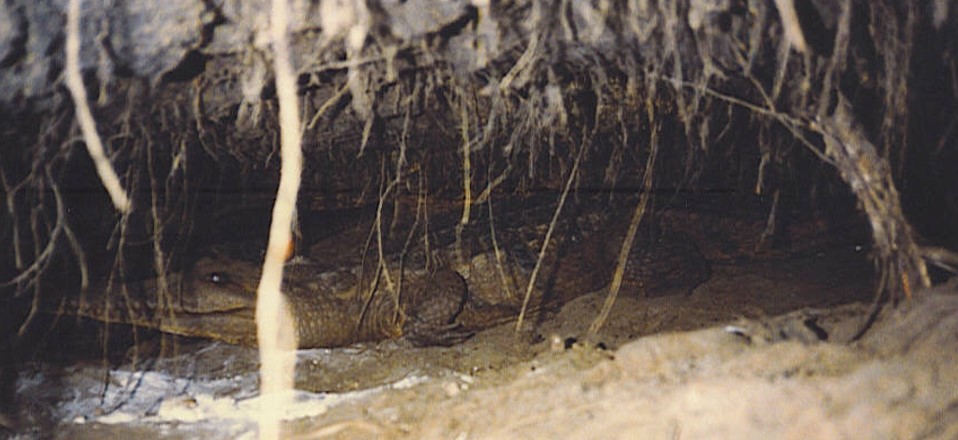
I was then appointed as the chief wildlife ranger for the Northern Territory, overseeing training and wildlife enforcement, researching data collection, monitoring and undertaking aerial survey work. I represented NT at national conventions and implemented the Convention on International Trade in Endangered Species (CITES) C.Porosus Management Plan.
As chief Wildlife Ranger I was responsible for undertaking crocodile management in the NT and the removal of saltwater crocodiles from Darwin Harbour and relocated to crocodile farms.
As part of the role, I organised ranger training in 1080 baiting, range and aerial marksmanship and led national simulated exotic (Foot and Mouth Disease) disease exercise and developed training for crocodile capture and handling for rangers.
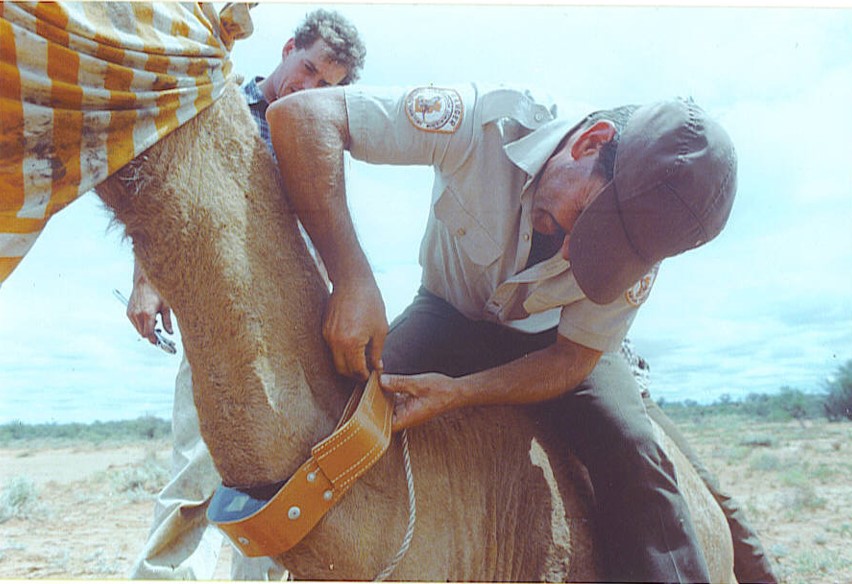
I was also involved with the implementation of satellite (training) tracking collars on camels in the Simpson Desert, for research and potential harvesting.
I moved on and became the Arnhemland Area Manager for Parks and Wildlife. As part of this role, there were many highlights including collaborating on wildlife management with Aborigines, island feral animal control, research on Crown of Thorns starfish, establishing a crocodile farm, coordinating Aboriginal Ranger training, funding from Nabalco and Gemco mining companies and Cape Arnhem (Wanuwuy) (Nhulunbuy) becoming part of formally protected area.
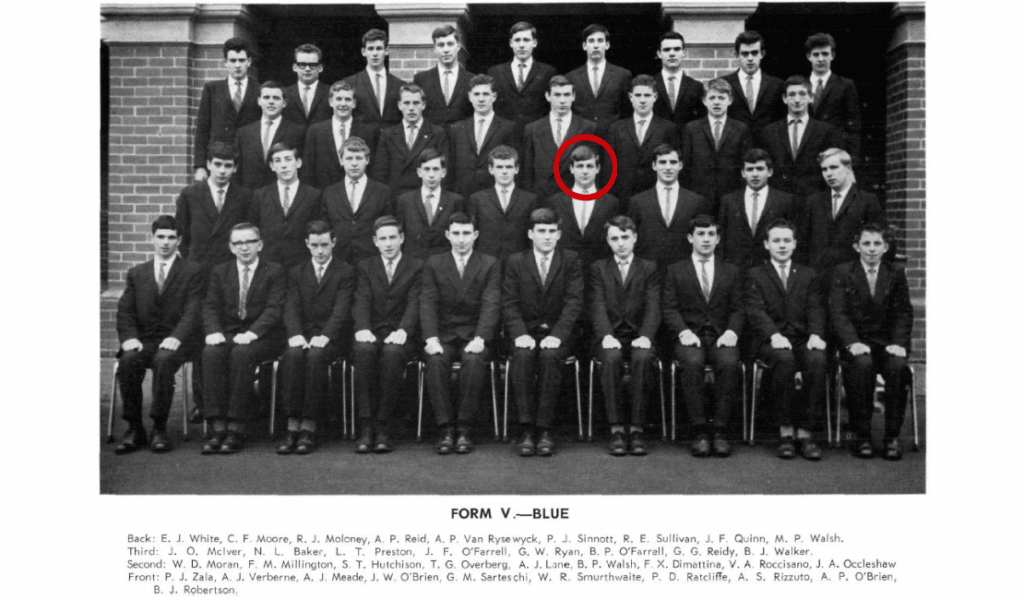
I later became the regional director of Parks and Wildlife in Katherine, managing a multi-disciplined team of 65 staff.
As part of this role, I was responsible for developing strategies and priorities for the region, chairing heads of government (including recovery and reconstruciton post Katherine floods in 1998), representing the region on boards and at various conferences, negotiating new parks for the National Reserve System, capacity building and the indigenous joint management of Parks.
While working in Natural Resource Management as director, I established a new division in the DPI&F (Department of Primary Industries and Fisheries and also developed strategic direction, policy and legislation, identified knowledge gaps and collaborated on research and funding and represented NT at a state and federal level. This included rangeland management, feral animals and weed control.
I oversaw the NT Weeds Act and arranged enforcement training and was involved in the development of great partnerships with the Aborigines.
I have also written and co-authored a number of publications on wide-ranging subjects, from the breeding habits of Peregrine Falcon, crocodile capturing techniques in the Northern Territory and aestivation in the Australian freshwater crocodile, to the homing instincts of C. Porosus, exotic disease in buffalo and pigs in Arnhem land and the field evaluation of 1080 baits for dingo control.
During my working life, I held a number of national appointments, including the Australia New Zealand Environment & Conservation Council as well as a member of the working party. I was also the NT representative on the Australian Weeds Committee.
I also held numerous local appointments, ranging from a board member on the Nitmiluk (Katherine Gorge), Department of Primary Industries and Fisheries, Parks & Wildlife and regional assessment panel for the National Heritage Trust.
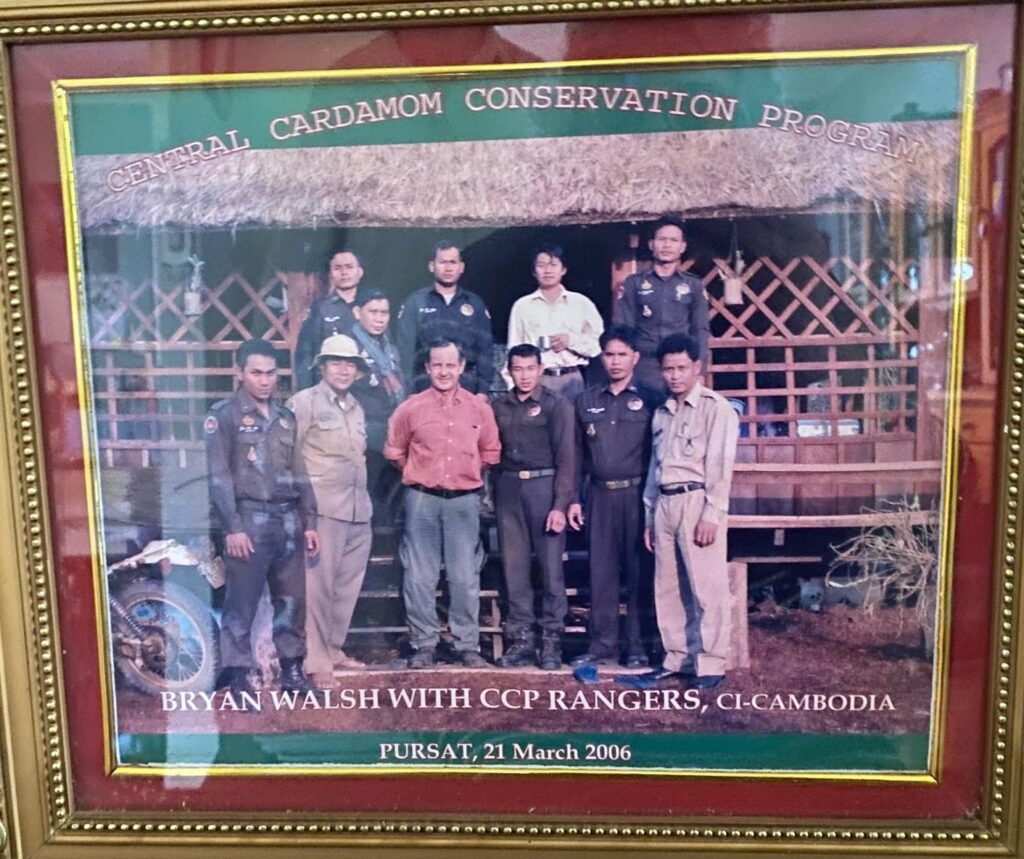
In 2006, I interviewed with Conservation International in Washington DC for the position of country director in Cambodia, which I won. The focus was mainly on the protection of endangered species under the IUCN red list (International Union for Conservation of Nature) in the Cardamon mountains.
My last consultancy work involved the recording of “Biodiversity along the Stock Routes of Western Queensland”.
I am still a volunteer life member of the Noosa Parks Association, involved in the re-introduction of oysters into the Noosa River. I have been a member for the last 15 years.
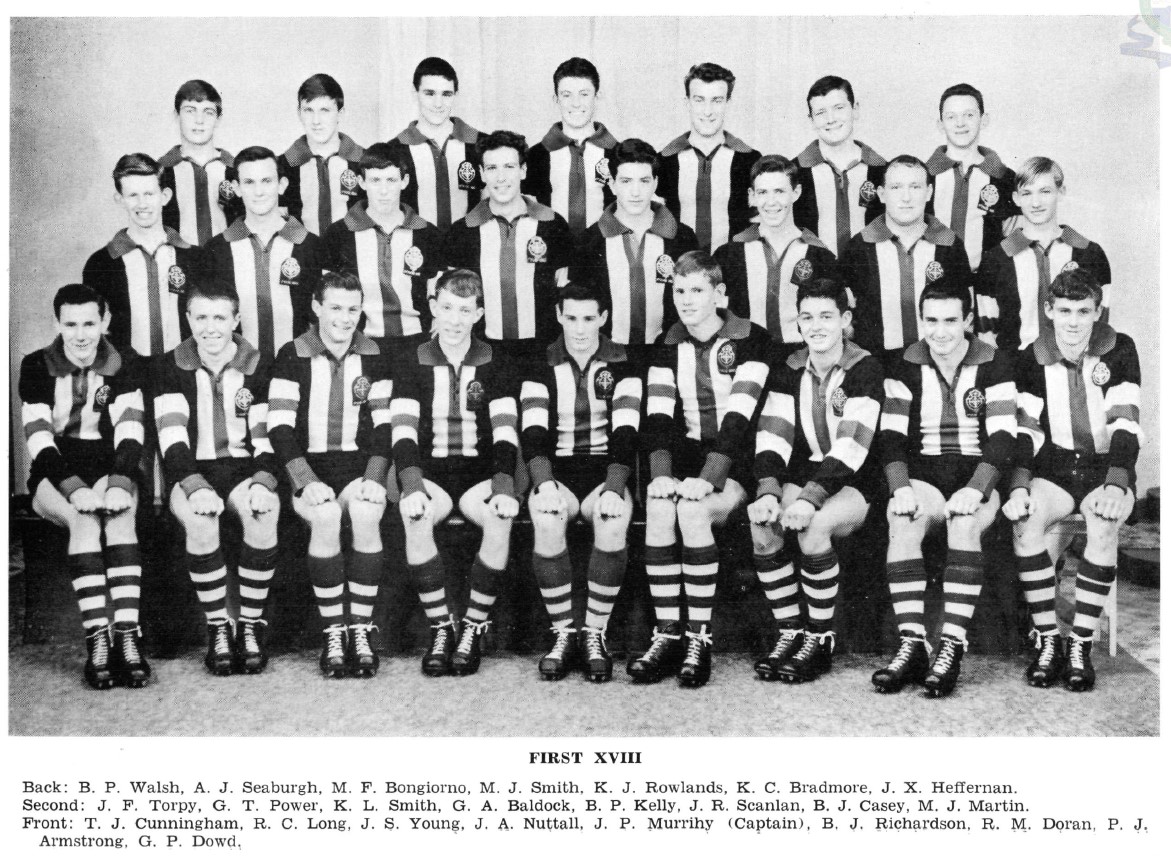
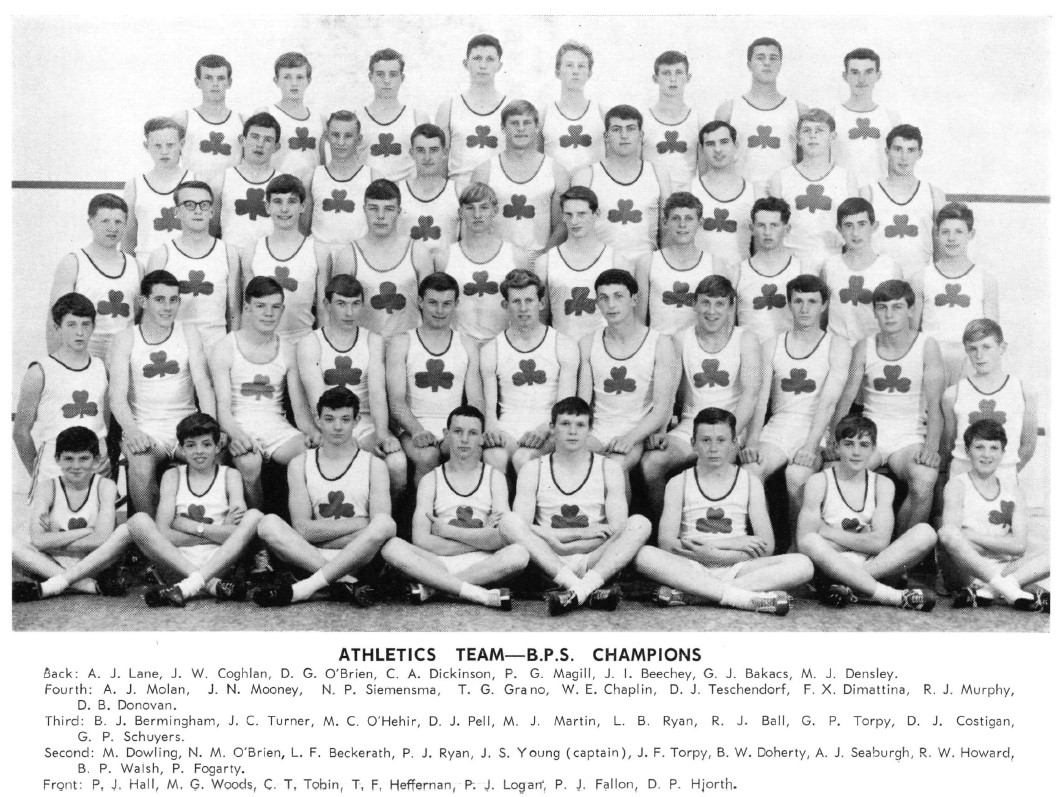
Do you have family ties with SPC?
My son Sean attended SPC in 1990 & 1991.
What are your fondest memories of your time at St Patrick’s College?
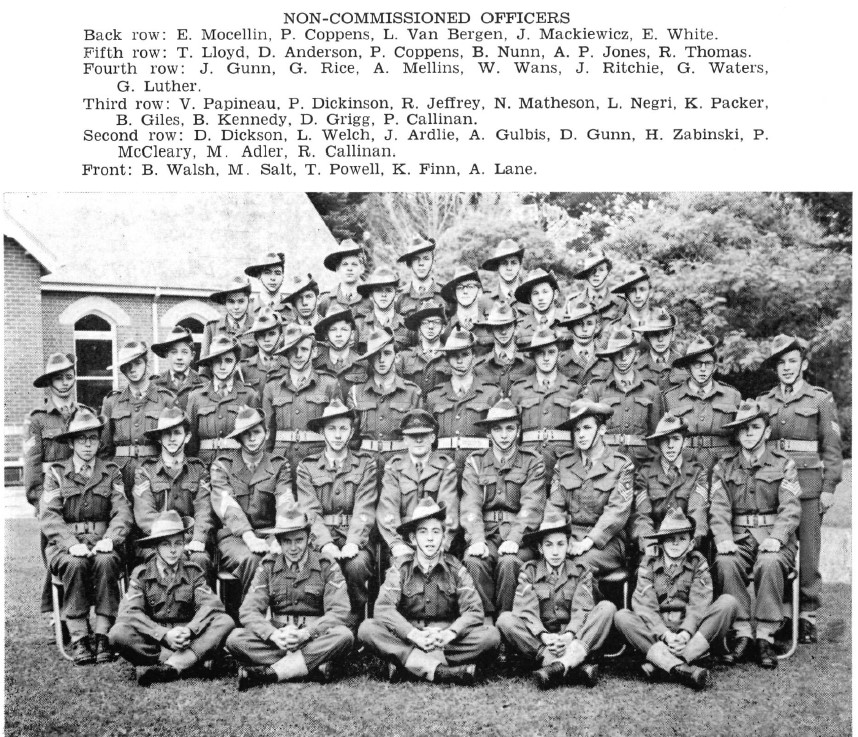
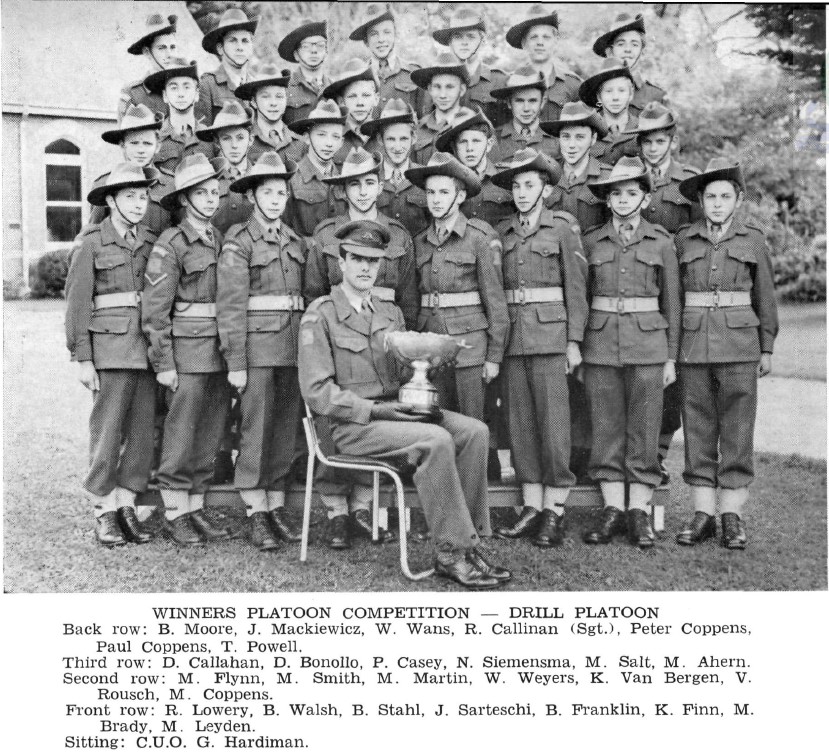
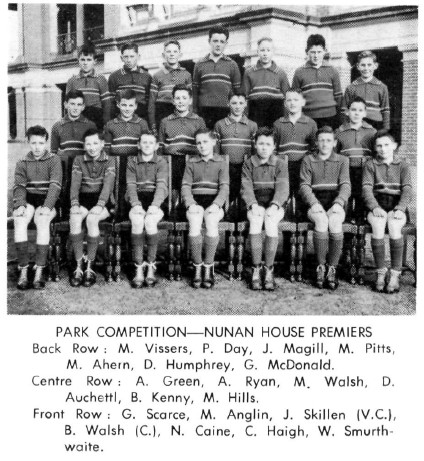
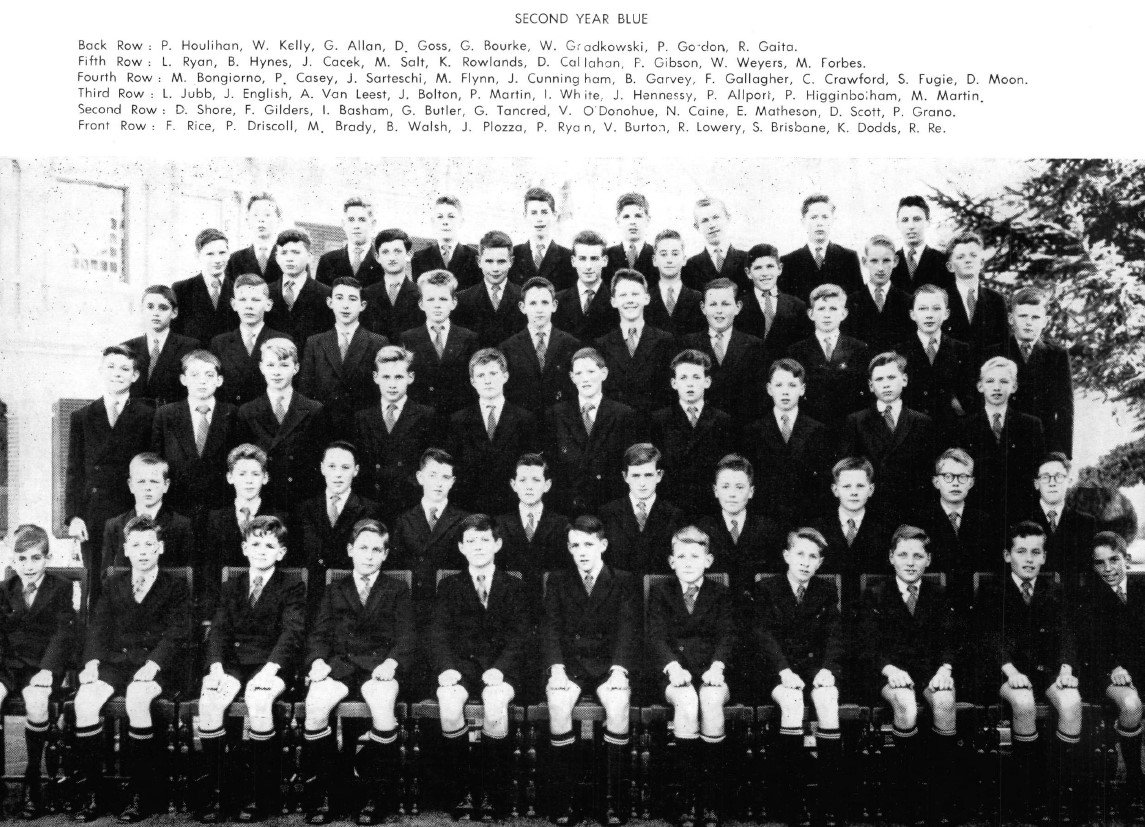
My fondest memories are of the lifelong mates I made and the sporting events. This included Brother Williams (Chinny), who had a good rapport with all of us and visited me in the NT in his retirement.
How has your education shaped your professional life?
Determination and prioritisation were helpful tools through my pursuit of an outdoor occupation and a career.
If you could pass on one message to the students of today, what would it be?
I would advise any student to pursue what you really want to do, rather than what is expected of you.