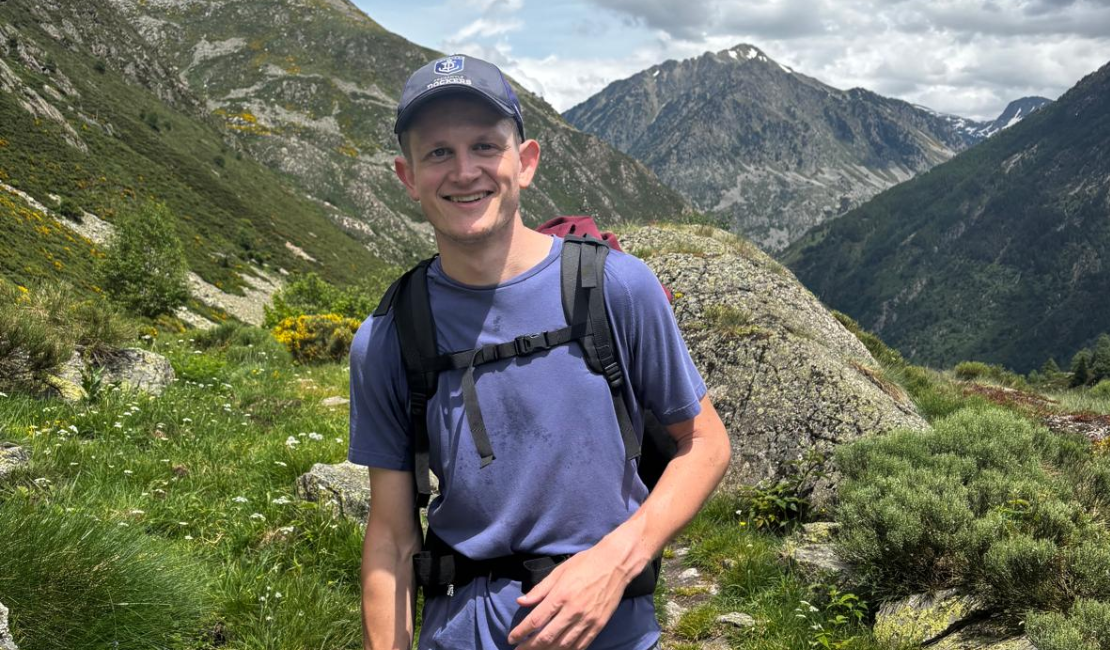
The College recently reconnected with Ryan Mulheron (SPC 2013-18) who is currently studying at the Toulouse School of Economics in the south of France, one of the best universities in the world for economics.
Where has life taken you since leaving SPC?
Since leaving SPC, I’ve managed to turn being a student into a career. I initially studied a double degree in Actuarial Science and Commerce at Monash University. It was there that I discovered a passion for economic research, which I explored further during an honours degree, also at Monash.
Along the way, I worked as a debating coach, a tutor, a painter, a lettuce farmer, a residential advisor, a basketball stadium manager, an accountant, an economic consultant and a research assistant to fund my studies.
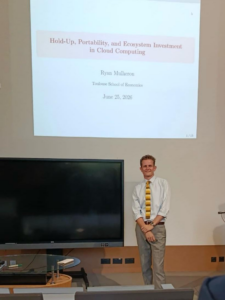
After spending five years working jobs I didn’t like to fund my time thinking about economics, I decided to have a go at getting paid to do the thinking instead. I was lucky enough to be accepted into the Toulouse School of Economics in the south of France, one of the best universities in the world for my particular field. I’ve since started my PhD, researching how firms compete, particularly in digital markets. I’ll be here for another few years and then pray that someone back in Australia is willing to pay me to think there long term.
It’s a long way from any plans I had in Year 12, but I’ve been fortunate enough to live overseas, see a fair bit of the world, and spend my days doing something I enjoy.
Do you have family ties with SPC?
Not really, no. My brother, Brady, and cousin, Jack, were at the College around the same time as me, but no one else has attended before or since the three of us.
What are your fondest memories of your time at St Patrick’s College?
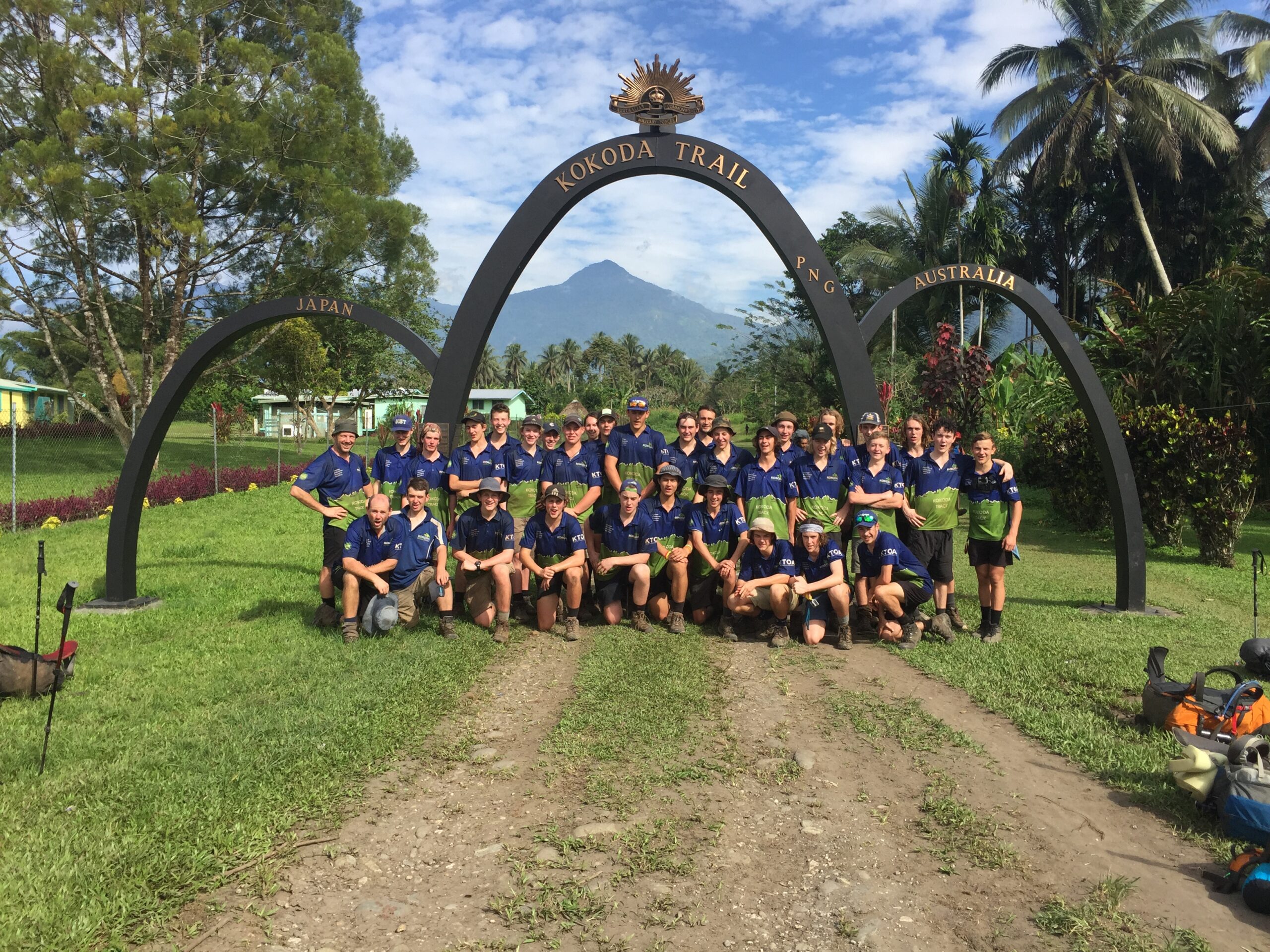
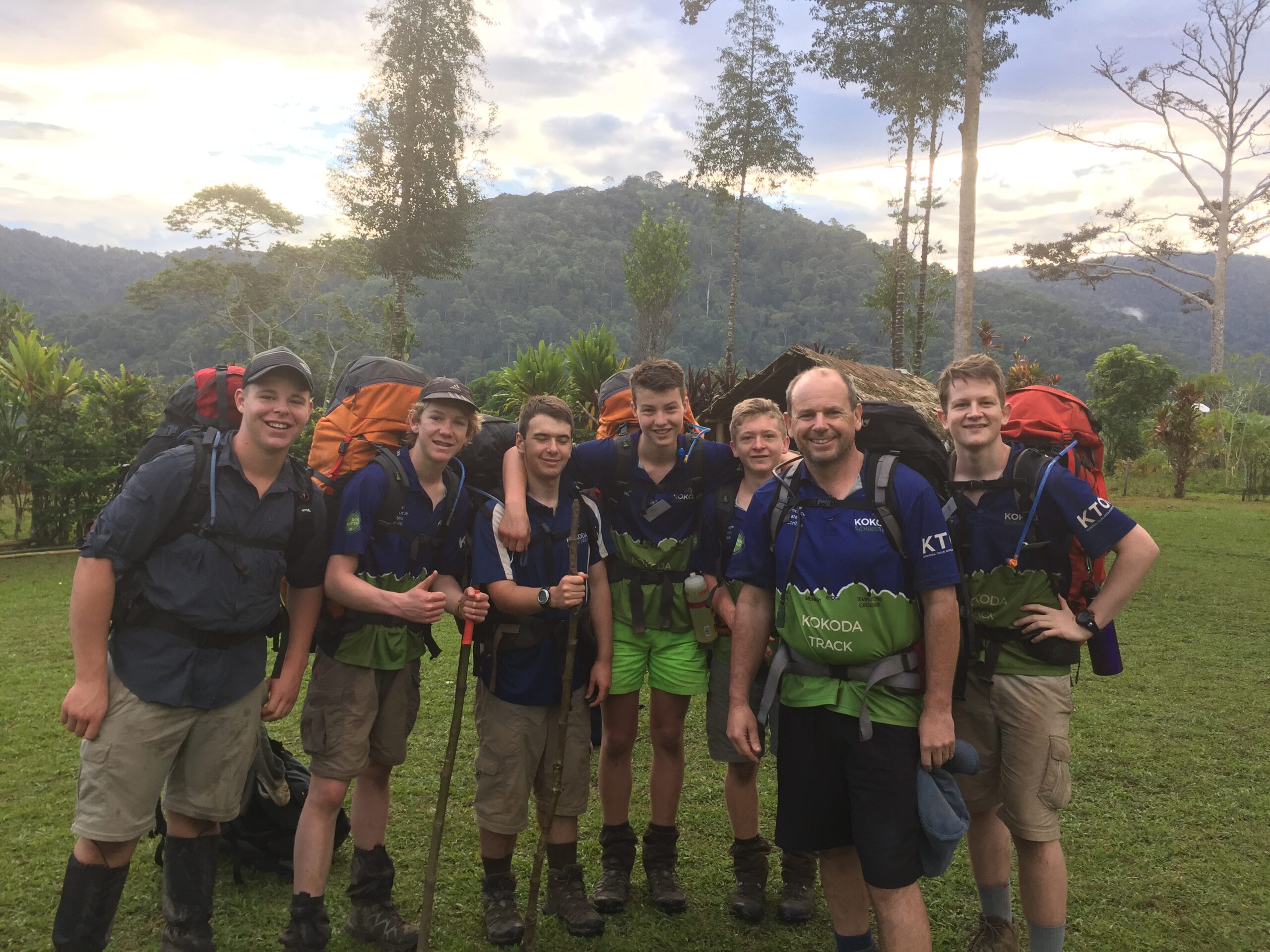
It would be remiss of me to discuss my fondest memories at the College without mentioning the 2017 Kokoda trip, which, almost a decade later, I still think about nearly every day. It came at a pivotal point in my battle with depression, and it is no exaggeration to say that the trip saved my life. To the men on that trip, in particular Kaiyn Humphrey and Jamie Bobrowski, I owe more thanks than I can put into words. To anyone else reading this: check in with your mates, and with the weird guy you don’t talk to much. Particularly with the weird guy you don’t talk to much. No need to be a therapist, just be a friend.
On a cheerier note, perhaps more in line with the spirit in which this question was asked, my fondest memories at the College came in the form of classroom banter. Most days, I’d sit in class cracking jokes with the lads around me, barely picking up a pen before going home and studying to make up for the work I hadn’t done that day. My grades were always good enough to earn me a little leeway, except for one parent–teacher interview with Danny Moore. Mum and Dad couldn’t understand why he’d said what no other teacher in 12 years had said, but he was right: despite my grades, I was a terrible student. I’d like to say that I’ve changed, but given I’m sitting at the back of a lecture typing this, I can’t have changed too much.
Which teacher from your time at SPC had the greatest impact on you? Why?
I’m very lucky to have spent some of the most formative years of my life being taught by a long list of great teachers, and very stupid for not taking in more of their wisdom. To the boys still at the College: ignoring the lessons about English and maths is your prerogative, but I urge you not to ignore the lessons about life.
Over the years, I’ve often found myself turning to advice I learned from Art Nicholls, Andrew Agardy, Penny Kaletsch, John Richards, Mark O’Loughlan and Michael Murphy.
But ultimately, if I had to pick one teacher above all others, I’d pick two. My idea of the man I wanted to become was shaped more by the lessons of Joseph Magee than anyone else, while the time, effort and support of Jen Casey did more than anyone to help me become that man.
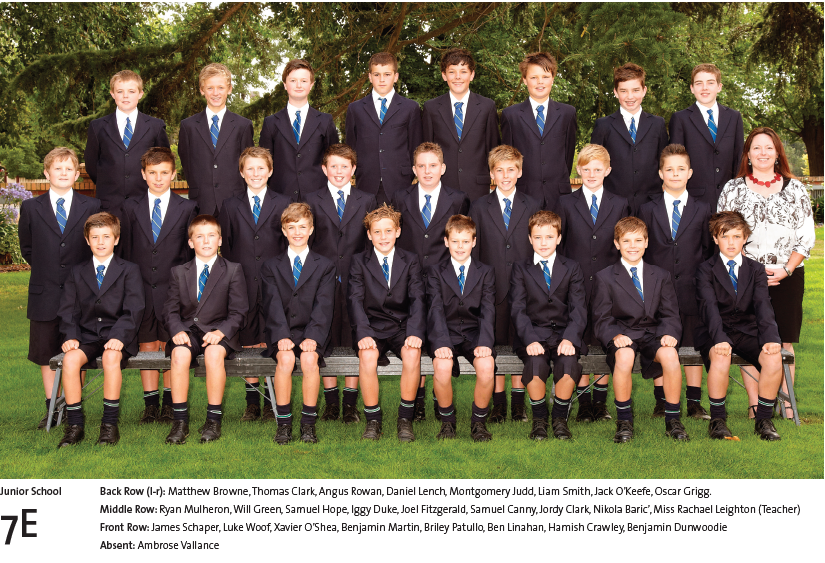
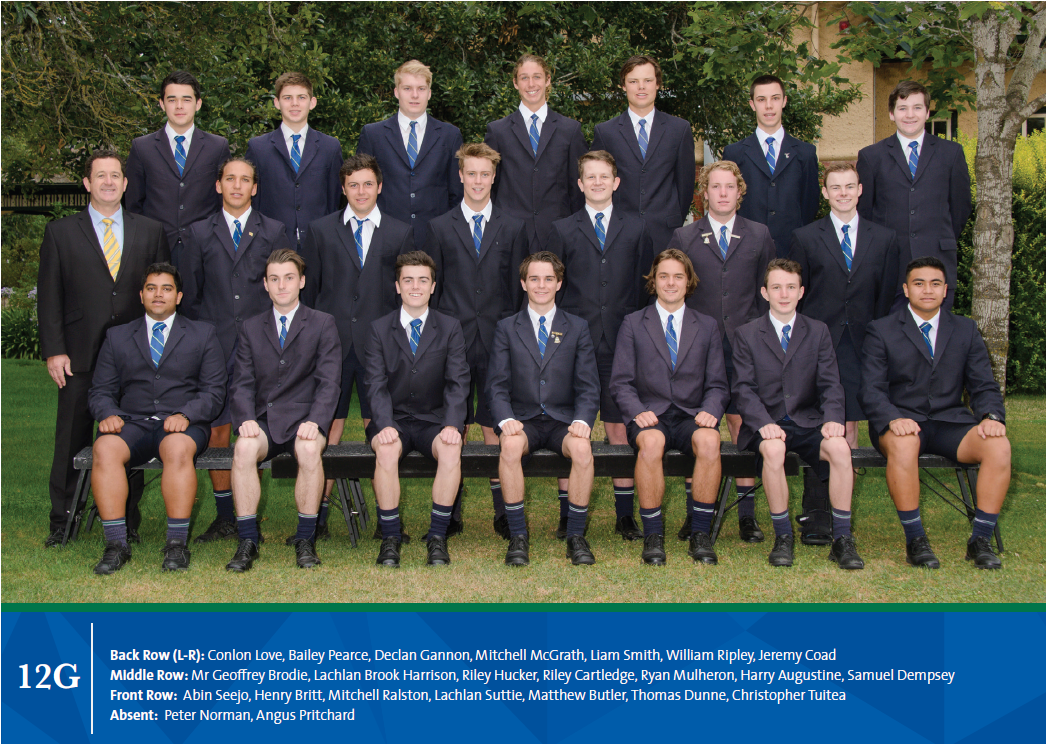
How has your education shaped your professional life?
I didn’t learn any economics at St Pat’s, but I did learn to be curious and think creatively. I learned calculus, public speaking, and how to use art and sport to balance my work. All of these prove invaluable daily, as does the ability to work independently, which I developed largely by doing very little work in class and having to make up for it at home.
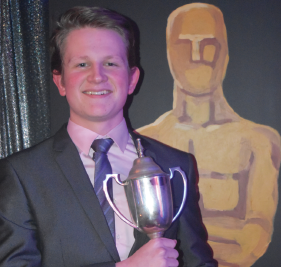
I’ve managed to turn my education into my professional life. I get paid to keep learning and asking questions. Whether that counts as a real job or just an elaborate way of avoiding leaving the classroom I learned to enjoy at SPC is left as an exercise to the reader.
How has your time at SPC shaped your personal values and your family life?
I don’t know if it’s still there, but during my time at SPC there was a quote outside the KRC: “The standard you walk past is the standard you accept.” I must have walked past it a thousand times and never given it much thought beyond joking about the fact that, given it was attributed to David Morrison instead of David Hurley, the standard we accept at SPC must be plagiarism.
Not a particularly good joke, but it’s helped me remember the quote. Reflecting on it now, I realise that we have the power to shape the standards around us, just as they shape us in return. There are things I walked past at SPC that were unacceptable, things I wouldn’t walk past today. But I also walked past standards higher than my own that have shaped my values.
That’s what community is: we shape the people around us, whether we intend to or not, and they do the same for us. I was fortunate that, in the SPC community, I was surrounded by teachers and students who set examples of love, selflessness, hard work and service that I didn’t always appreciate at the time. Through the social justice program, which admittedly I joined more for social reasons than for justice reasons, I began to understand that being part of a community means taking some responsibility for the people in it.
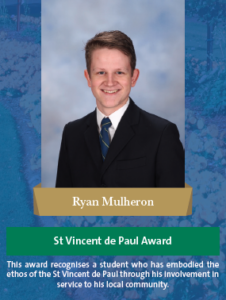
I’d encourage every student to get involved in those programs, but also to remember that you don’t need a formal opportunity to make a difference. The way you treat the people around you, the things you choose to speak up about and the things you choose to let slide all contribute to the sort of community you create.
This has shaped the way I approach all my relationships. It’s easy to think that being a good friend, partner, brother or son is about being there when someone needs you most, but increasingly I’ve come to appreciate that it’s about the ordinary moments in between. Making time for people, noticing when something isn’t right, and being willing to have difficult conversations when they matter. I don’t always live up to these standards, a failure of mine that I attribute to being human, but I’m more conscious now of the responsibility I have to the people around me, and of how fortunate I am to have people who take that same responsibility towards me.
If you could pass on one message to the students of today, what would it be?
Life is short. Don’t waste it always doing what’s best for you. Firstly, because you don’t know what’s best for you, and secondly, because it’ll all work out either way.
I spent many sleepless nights during Year 12 making sure I got the ATAR I needed to make what I thought was the most important decision of my life: whether to become an actuary or a lawyer. I got the grade. I now work in economics, a field I couldn’t have defined when I made that choice.
Obviously, you should study, you should sleep, you should work out, but don’t sacrifice the things that make life worth living in pursuit of a future you may not want.
When you’re weighing up a fifth hour of chemistry homework against watching the footy with Dad, watch the footy. When you’re training for a marathon, you should run that extra kilometre, but you should also skip the occasional run for a night at the pub. You’ll still finish.