The history of the Chapel at St Patrick’s College is a powerful account of faith, remembrance, and community spirit. More than a place of worship, the Chapel stands as the spiritual heart of the College, embodying its traditions, values, and shared history. It was conceived not only as a sacred space but also as a lasting memorial to former students who served and, in many cases, lost their lives in times of war. Through its architecture, symbols, and stories, the Chapel continues to connect generations and inspire reflection on faith, sacrifice, and purpose.
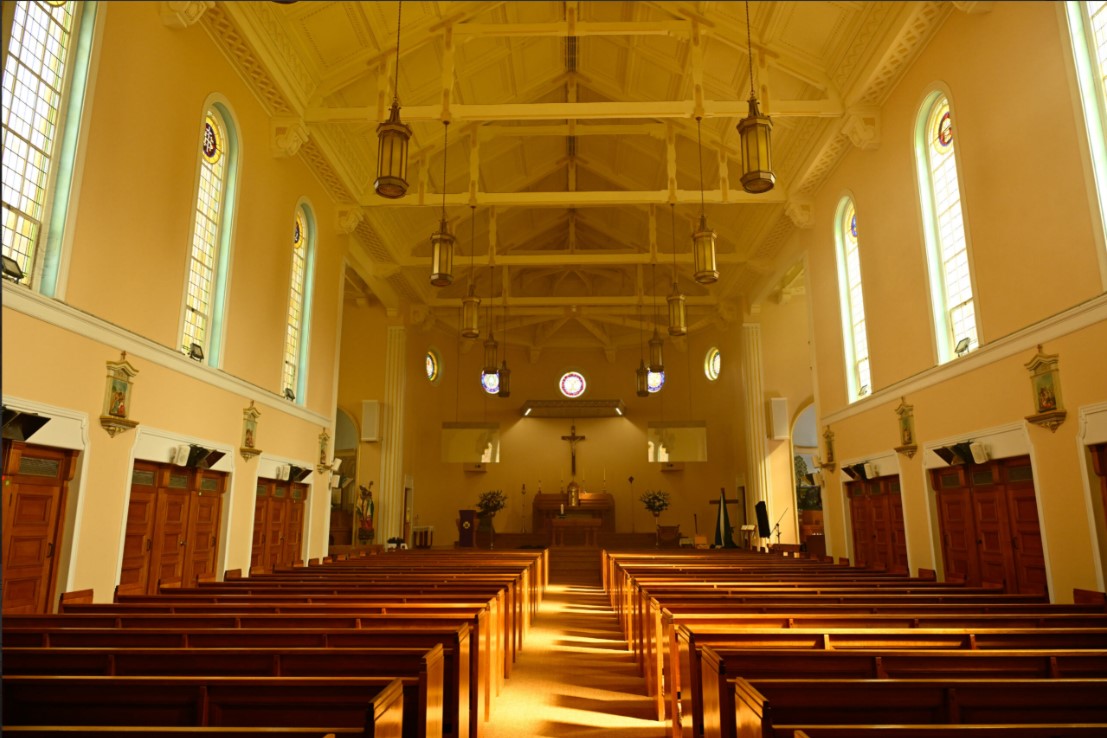
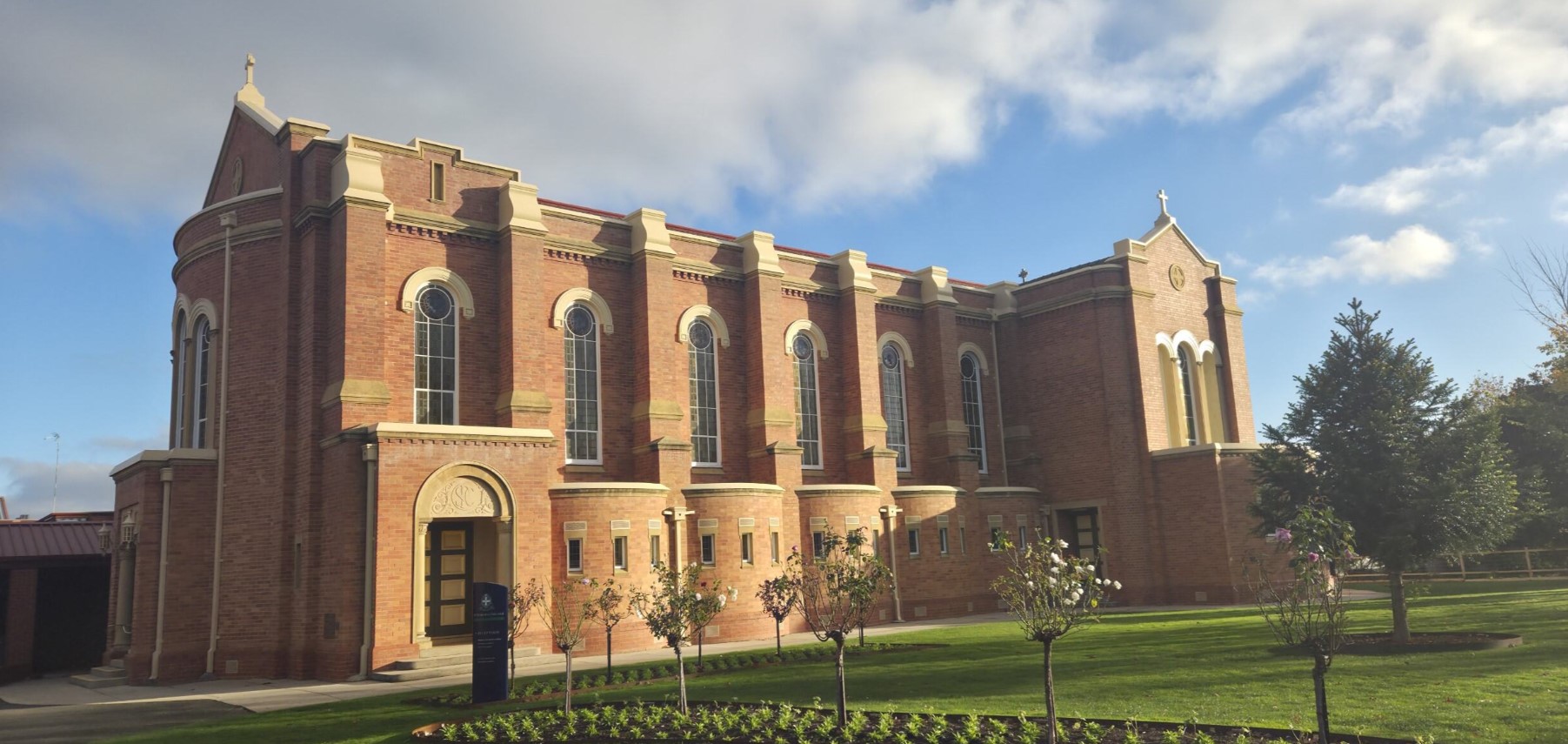
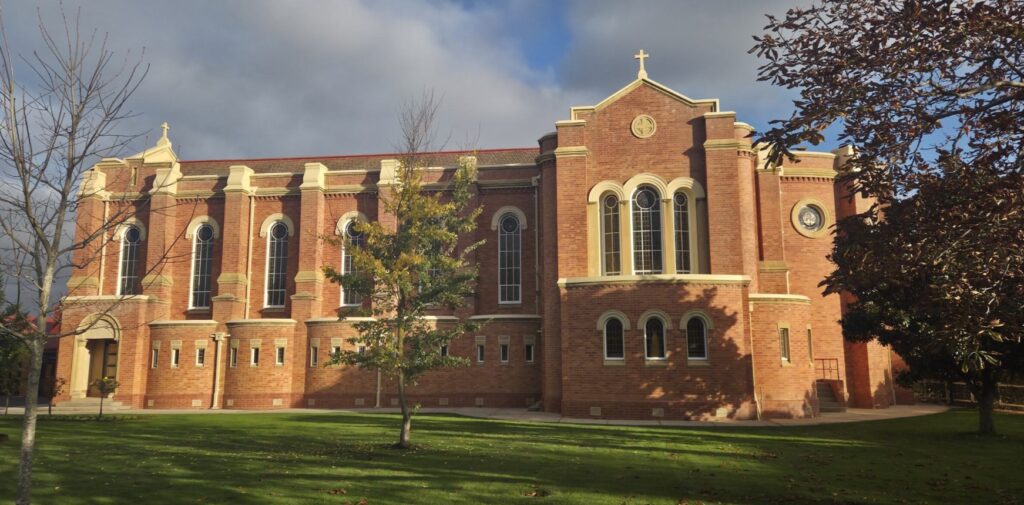
Architecturally, the Chapel is both elegant and deeply symbolic. Constructed from salmon-coloured bricks and designed in a cruciform layout with Romanesque influences, it presents a harmonious and dignified space. Its design avoids internal pillars, ensuring an uninterrupted view of the sanctuary, thereby reinforcing its focus on liturgical life.
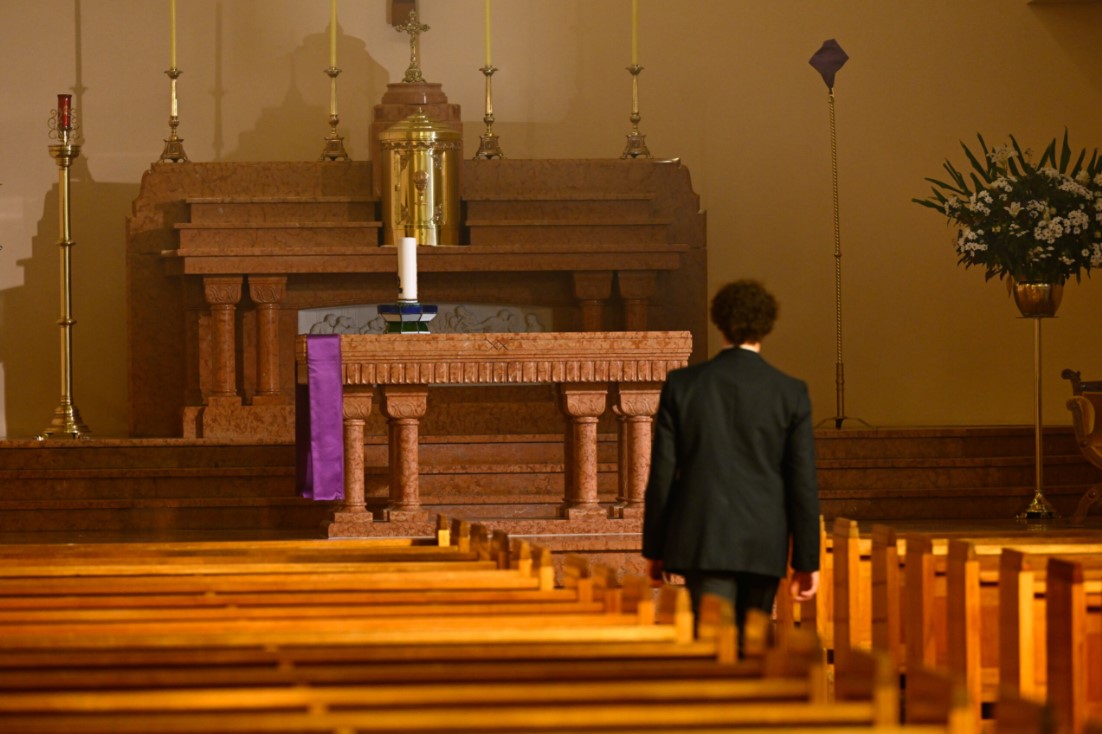
The use of red Verona marble, imported from Italy, throughout the high altar, side altars, communion table, and sanctuary floor contributes to its sense of grandeur and reverence. Above, a high ceiling adorned with an infinity pattern draws the eye upward, enhancing the spiritual atmosphere.
The central focus of the Chapel is the High Altar, crowned by a beautifully crafted baldachin sheltering a life-size crucifix. A striking bas-relief of Leonardo da Vinci’s Last Supper, carved in Carrara marble, further elevates the sanctuary and is illuminated to emphasise its detail and significance.
The Chapel’s interior is enriched by stained-glass windows, devotional statues, and the Stations of the Cross, all of which contribute to an environment of contemplation and prayer. Noteworthy features include depictions of the Sacred Heart, Our Lady of Lourdes, and a Pietà, each representing central themes of compassion, sacrifice, and divine love within the Catholic tradition.
The Chapel’s creation was the result of vision and perseverance. Its origins can be traced to Brother J.D. Healy, Principal during the 1940s and early 1950s, who initiated plans for a new chapel and established an appeals fund in 1944. Early fundraising relied heavily on modest contributions from students and supporters, reflecting a strong sense of collective commitment. By 1945, £758 had been raised, a relatively small amount compared to the eventual cost, but a meaningful demonstration of community support.

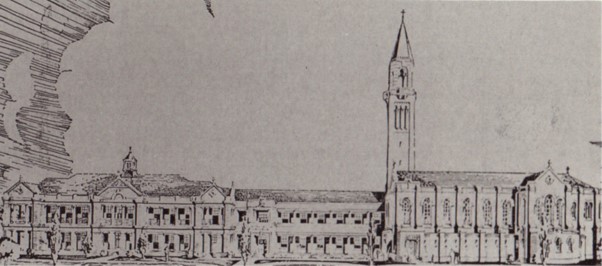
In 1946, architect Cyril Kelly was commissioned to design a master plan for the College, including the new Chapel. Although initial plans incorporated additional buildings, financial constraints meant that the Chapel remained the central focus. Construction was delayed by escalating costs, rising from an estimated £34,000 to around £85,000, as well as leadership changes, material shortages, and the expense of importing marble for the sanctuary. Despite these challenges, the project moved forward, driven by determination and shared purpose.
Learn more about Cyril Kelly here following the recent release of the book A Prize in My Heart: A Story about Cyril Kelly, Architect by Stephen Clements.
The Chapel was officially opened on 4 October 1953, during the College’s Diamond Jubilee celebrations. The event was attended by several thousand people and marked a significant milestone in the College’s history. At the time of the opening, substantial funds had already been raised through community efforts, though a significant debt remained. Additional donations were collected during the ceremony, demonstrating the continued generosity of the College community.
The opening ceremony emphasised the Chapel’s importance as both a religious and educational centre. Bishop J.P. Collins praised the building’s design and craftsmanship, describing it as a chapel of exceptional quality. He highlighted the role of the Chapel in shaping students’ moral and spiritual development, reflecting the Catholic belief that education encompasses the formation of the whole person. For boarding students in particular, the Chapel would serve as a central place of reflection, guiding them in faith, respect, and discipline.
The Chapel’s memorial purpose was central to its identity. It commemorated former students who died in the world wars, linking the College’s life to broader national history. Honour boards at the entrance, along with later additions recognising chaplains, students, and Christian Brothers, reinforce this sense of remembrance. The Chapel thus serves as a place where grief, gratitude, and faith intersect.
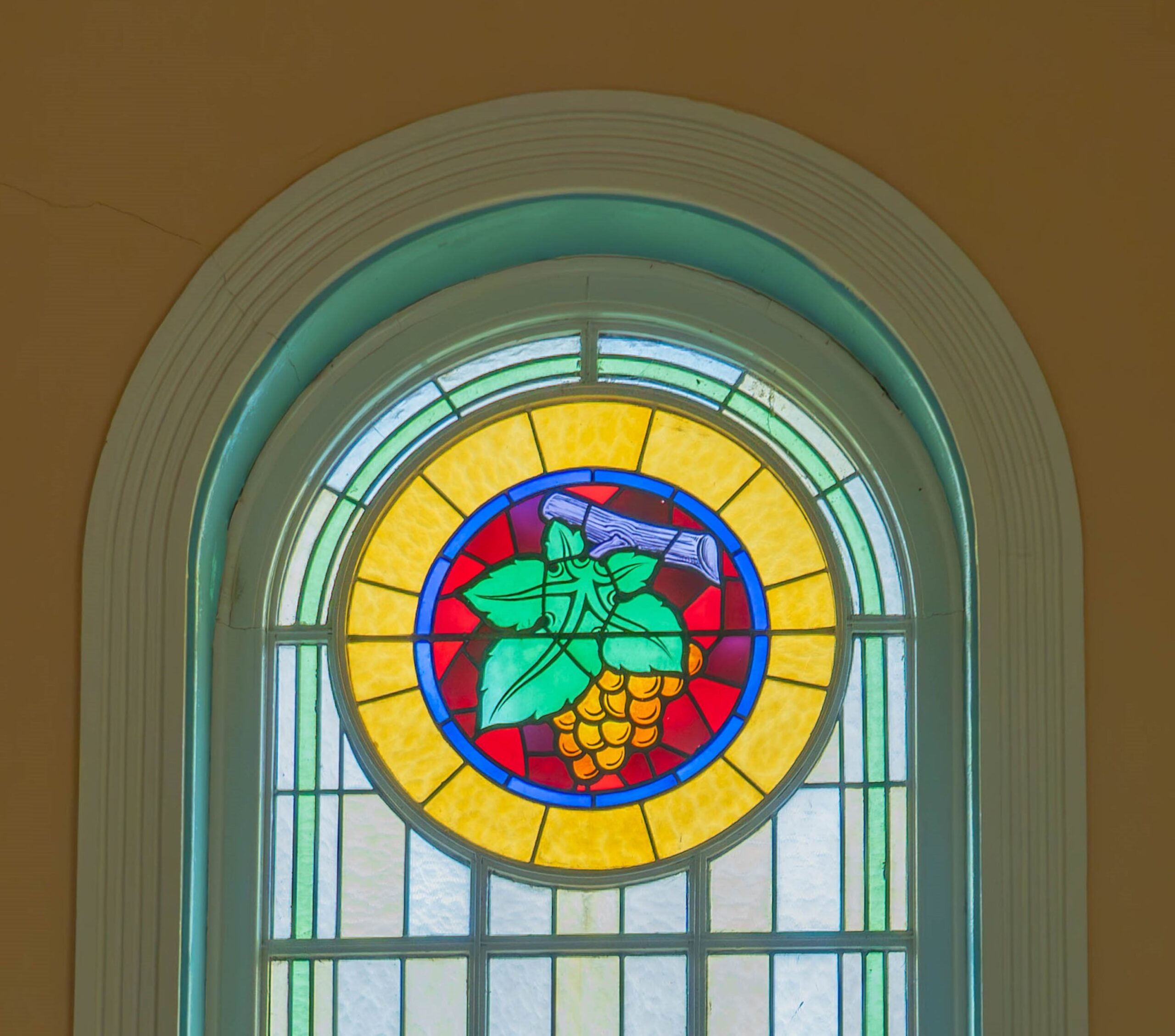
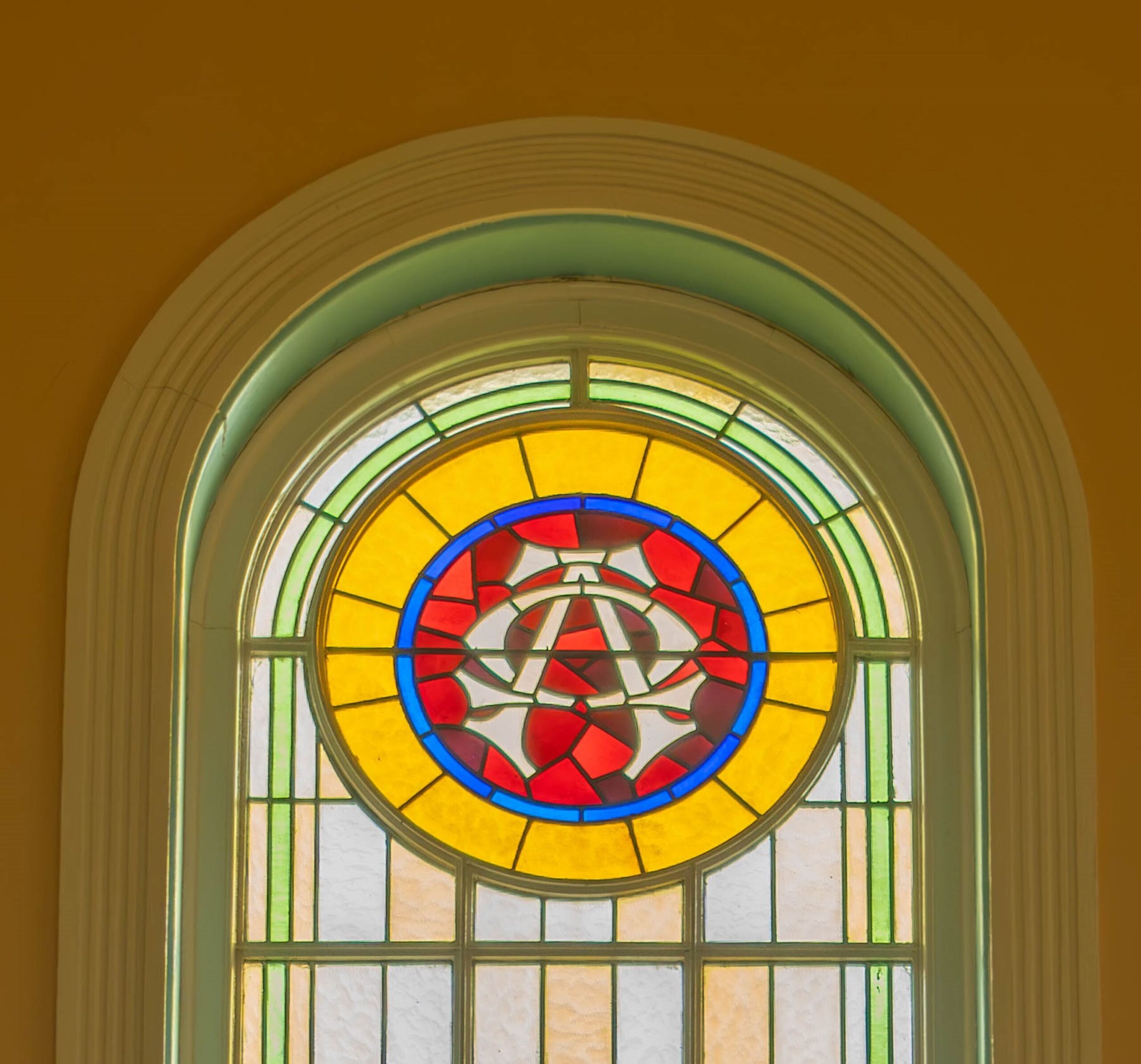
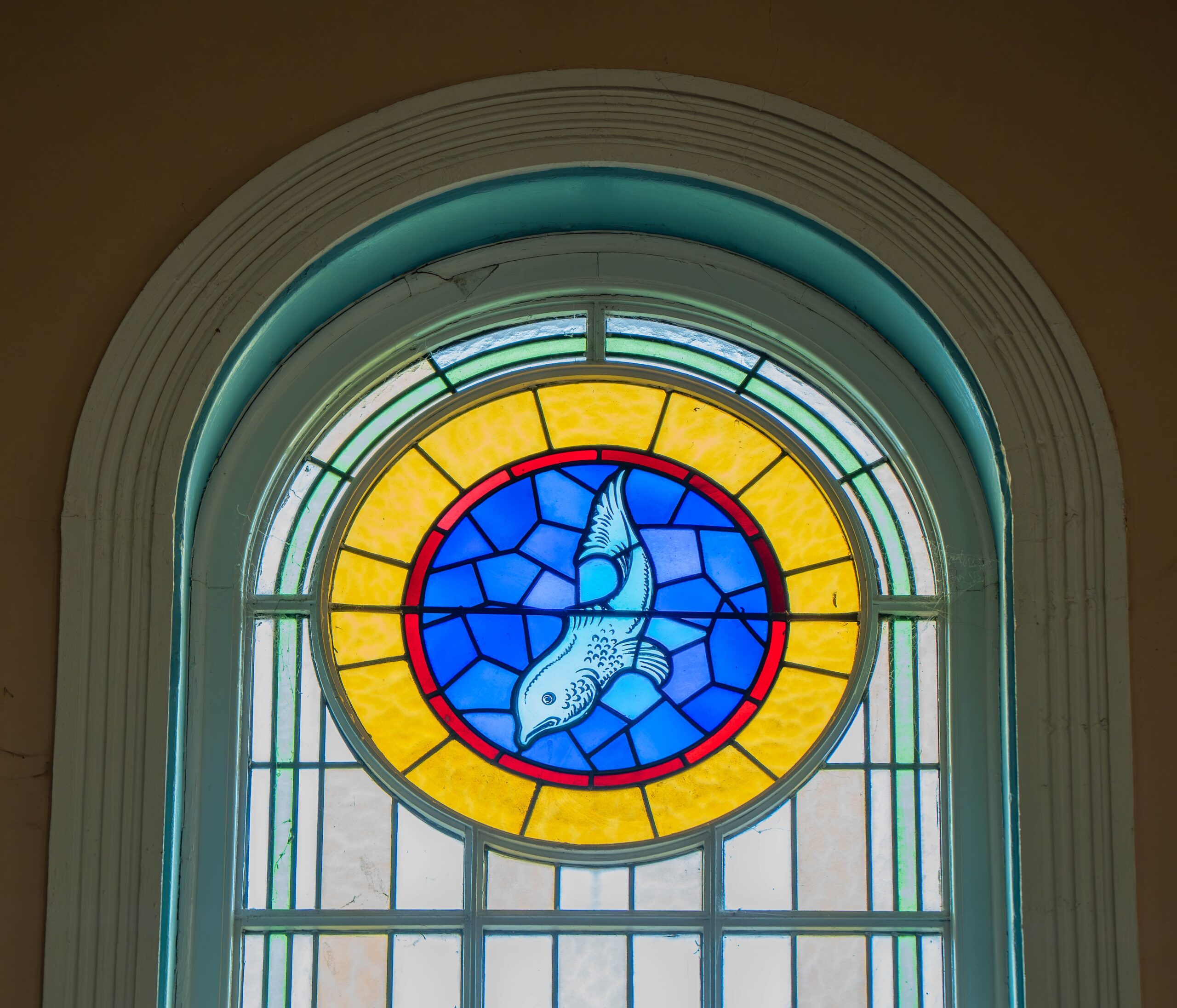
Integral to the Chapel’s significance is its rich iconography. The stained-glass windows feature numerous Christian symbols, including the Alpha and Omega, grapes and vines, and the fish, each representing aspects of Christ’s life, sacrifice, and enduring presence. Other images, such as St Patrick, St Brigid, and the Virgin Mary, reflect the College’s spiritual heritage and connections to wider Catholic tradition. The Sacred Heart statue symbolises Christ’s love and sacrifice, while the Our Lady of Lourdes statue recalls themes of healing, mercy, and devotion.
The Chapel also houses a depiction of Our Lady of Perpetual Help, an icon rich in theological symbolism that conveys both comfort and sorrow, inviting personal reflection. Similarly, the fourteen Stations of the Cross offer a structured devotional journey through Christ’s suffering and death, encouraging contemplation and spiritual connection.
Even the Chapel’s physical orientation holds meaning. The traditional positioning of the Gospel side and the Epistle side reflects long-standing liturgical symbolism, reinforcing the Chapel’s role as both a place of instruction for believers and a place of outreach to the wider world.
Ultimately, the Chapel at St Patrick’s College stands as a testament to faith, vision, and communal dedication. Its history is not merely a record of construction, but a story of aspiration, sacrifice, and enduring purpose. Through its beauty, symbolism, and continued use, it remains a central and unifying presence within the College, honouring the past while guiding future generations.